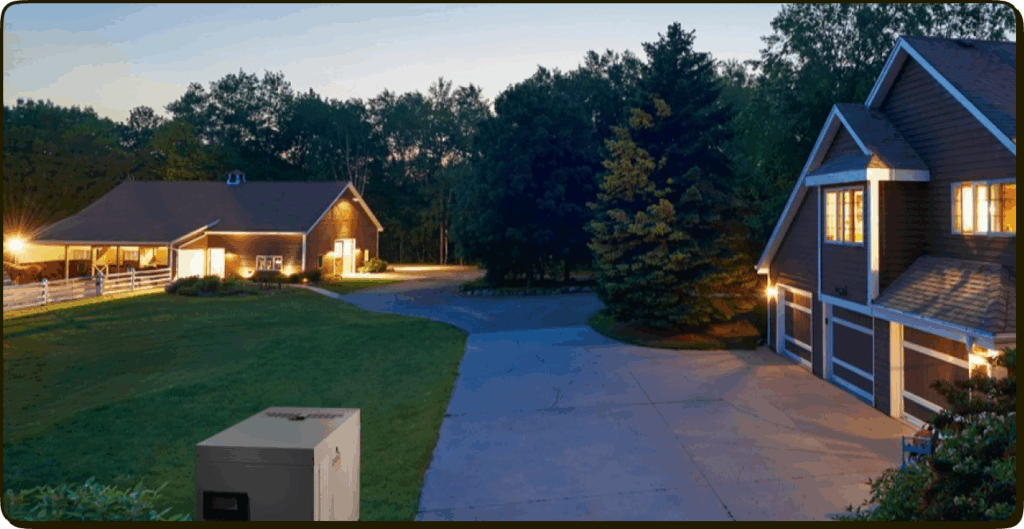




Roof maintenance is one of the most important responsibilities of homeownership because the roof serves as the primary barrier between your home and the elements while also playing a major role in overall safety, comfort, and property value. A roof that is properly cared for will last longer, perform better, and help homeowners avoid unexpected repairs that can be costly and disruptive. By following a consistent maintenance routine and addressing small issues early, homeowners can protect their investment and maintain peace of mind.
1. Schedule Regular Roof Inspections
Routine roof inspections are one of the most effective ways to maintain roof condition and identify potential problems before they become serious. Homeowners should plan to inspect their roof at least twice a year, ideally during the spring and fall, when seasonal weather changes tend to reveal damage.
Spring inspections are particularly important because winter weather can be hard on roofing materials, especially in regions that experience freezing temperatures, snow, or ice. Shingles may crack, shift, or loosen, and structural components can be affected by the weight of snow or ice buildup. A spring inspection allows homeowners to identify and repair any damage before spring rains expose vulnerabilities that could lead to leaks.
Fall inspections help prepare the roof for winter conditions by ensuring that all materials are secure and capable of handling harsh weather. This inspection should focus on locating loose or damaged shingles that could be torn away by strong winds or heavy snow, as well as confirming that gutters are clear so melting snow can drain properly without forming ice dams.
During inspections, homeowners should pay close attention to several key areas. Flashing around chimneys, skylights, and vents should be examined for signs of rust, cracking, or separation, since damaged flashing is one of the most common sources of roof leaks. Chimneys should be checked for cracked masonry, missing bricks, or deteriorating mortar, all of which should be repaired promptly to prevent water intrusion. Any debris such as leaves, branches, or dirt should also be removed, as debris can trap moisture and contribute to mold growth or rot over time.
If there is any uncertainty about the condition of the roof, a professional inspection is a wise investment. Roofing contractors have the experience, training, and equipment needed to identify issues that may not be obvious to an untrained eye, and they can safely access areas of the roof that may be difficult or dangerous for homeowners to reach.
Professional inspections often include detailed reports outlining the current condition of the roof, recommendations for maintenance or repairs, and identification of any urgent concerns. Roofing professionals may also suggest preventative measures, such as applying protective coatings or sealants, and can handle repairs that require specialized skills or tools.
2. Keep Gutters Clean and Functional
Gutter maintenance is essential for protecting both the roof and the home’s foundation, as gutters are designed to direct rainwater away from the structure. When gutters become clogged with leaves, twigs, and other debris, water can back up and cause damage in several areas of the home.
Clogged gutters can allow water to pool on the roof, increasing the risk of leaks and damage to the roof decking and interior spaces. Overflowing gutters may also allow water to run down exterior walls, which can damage siding and cause erosion around the foundation over time. In addition, debris-filled gutters create ideal conditions for pests such as mosquitoes, rodents, and birds, which can nest in the buildup.
Gutters should generally be cleaned at least twice a year, once in late spring and again in early fall, although homes surrounded by trees may require more frequent cleaning. Homeowners should use a sturdy ladder and protective gloves when removing debris, and a garden hose can be used to flush the gutters and confirm that water flows freely. Installing gutter guards can help reduce debris accumulation and make maintenance easier.
For homeowners who are uncomfortable using ladders or who live in multi-story homes, professional gutter cleaning services offer a safe and efficient alternative.
3. Trim Overhanging Tree Branches
While trees enhance curb appeal and provide shade, overhanging branches can pose a serious risk to your roof, particularly during storms or high winds. Branches that come into contact with the roof can scrape away protective shingle granules, which shortens the lifespan of the roofing materials and reduces their effectiveness.
Branches also contribute to debris buildup, as leaves and needles can collect on the roof and in gutters, trapping moisture and increasing the risk of rot or mold growth. Regular trimming helps minimize these issues while reducing the likelihood of branches breaking off and causing damage during severe weather.
Homeowners should identify branches that are dead, damaged, or growing too close to the roof and prioritize trimming those first. Smaller branches can often be handled with pruning shears, while larger branches may require a saw. For tall trees or branches near power lines or the roofline, hiring a professional tree service is strongly recommended to avoid injury or accidental damage.
4. Watch for Moss and Algae Growth
In humid or shaded environments, moss and algae growth on roofs is a common issue that can lead to long-term damage if left untreated. These organisms retain moisture against the roof surface, which accelerates deterioration of shingles and can eventually cause rot.
Beyond structural concerns, moss and algae also affect the appearance of a home by creating dark streaks or green patches that make the roof look aged and poorly maintained. In severe cases, heavy moss growth can add unnecessary weight to the roof structure.
Homeowners should inspect the roof regularly for early signs of moss or algae, particularly after rainy seasons. Roof-safe cleaning products designed to remove moss and algae can be applied according to manufacturer instructions to eliminate growth without damaging roofing materials. Preventative measures, such as installing copper or zinc strips near the roof ridge, can help inhibit future growth by releasing ions that prevent moss and algae from spreading.
Improving sunlight exposure and drainage by trimming nearby trees can also reduce conditions that encourage growth.
5. Replace Damaged Shingles Without Delay
Shingles serve as the roof’s first line of defense against moisture, so damaged or missing shingles should be addressed as soon as they are discovered. Even minor shingle damage can allow water to penetrate the roof system and cause problems beneath the surface.
Ignoring damaged shingles increases the risk of leaks, mold growth, and structural damage, and small issues can quickly turn into extensive repairs if left unresolved. Prompt replacement helps prevent further deterioration and keeps repair costs manageable.
Replacing shingles involves identifying damaged areas, removing the affected shingles carefully, and installing new ones with proper fastening and sealing. While some homeowners are comfortable handling minor repairs, extensive damage or uncertainty about the repair process is a clear signal to call a professional roofer.
6. Maintain Proper Attic Insulation and Ventilation
Attic insulation and ventilation play a critical role in protecting the roof and maintaining indoor comfort. Proper insulation helps regulate indoor temperatures by reducing heat loss in winter and limiting heat gain in summer, while ventilation allows warm, moist air to escape from the attic.
Without adequate ventilation, moisture can accumulate and condense on rafters or roof sheathing, leading to mold growth and wood rot. Poor insulation and ventilation also contribute to higher energy bills and increase the risk of ice dams in colder climates.
Homeowners should periodically check attic insulation to ensure it is evenly distributed and free of gaps. Ventilation systems should include unobstructed intake and exhaust vents, and any air leaks between the attic and living space should be sealed. A professional energy assessment can help identify areas where insulation or ventilation upgrades would be beneficial.
7. Inspect and Maintain Roof Sealants
Roof sealants are essential for preventing water from entering the home at vulnerable points such as chimneys, skylights, vents, and flashing. Over time, sealants can crack, shrink, or deteriorate, which makes regular inspection necessary.
Homeowners should examine sealant areas at least twice a year and after major storms. Before applying new sealant, surfaces should be cleaned and dried to ensure proper adhesion. High-quality roofing sealants should be used and applied according to manufacturer instructions to ensure long-lasting protection.
For larger sealing issues or areas that are difficult to access, professional assistance is recommended to ensure the work is done correctly.
8. Manage Snow Accumulation During Winter
In snowy regions, roof snow management is essential for preventing structural stress and water damage. Heavy snow can place significant weight on the roof, especially when combined with ice, and can lead to sagging or, in extreme cases, collapse.
Snow accumulation also contributes to ice dam formation, which occurs when melting snow refreezes at the roof edge and blocks proper drainage. This trapped water can work its way under shingles and into the home, causing damage to ceilings, walls, and insulation.
Using a roof rake allows homeowners to remove snow safely from the ground, starting at the roof edge and working upward carefully to avoid damaging shingles. Snow should also be cleared from around vents and skylights to maintain airflow and prevent blockages.
For steep roofs, large snow loads, or ice dams, professional snow removal services are the safest option, as they have the equipment and experience needed to handle these situations without damaging the roof.
Regular roof maintenance is a vital part of protecting your home and avoiding costly surprises. By staying proactive and addressing issues early, homeowners can extend the life of their roof, improve overall home performance, and ensure their property remains safe, comfortable, and valuable for years to come.